Home › Gravel-to-Asphalt Conversions
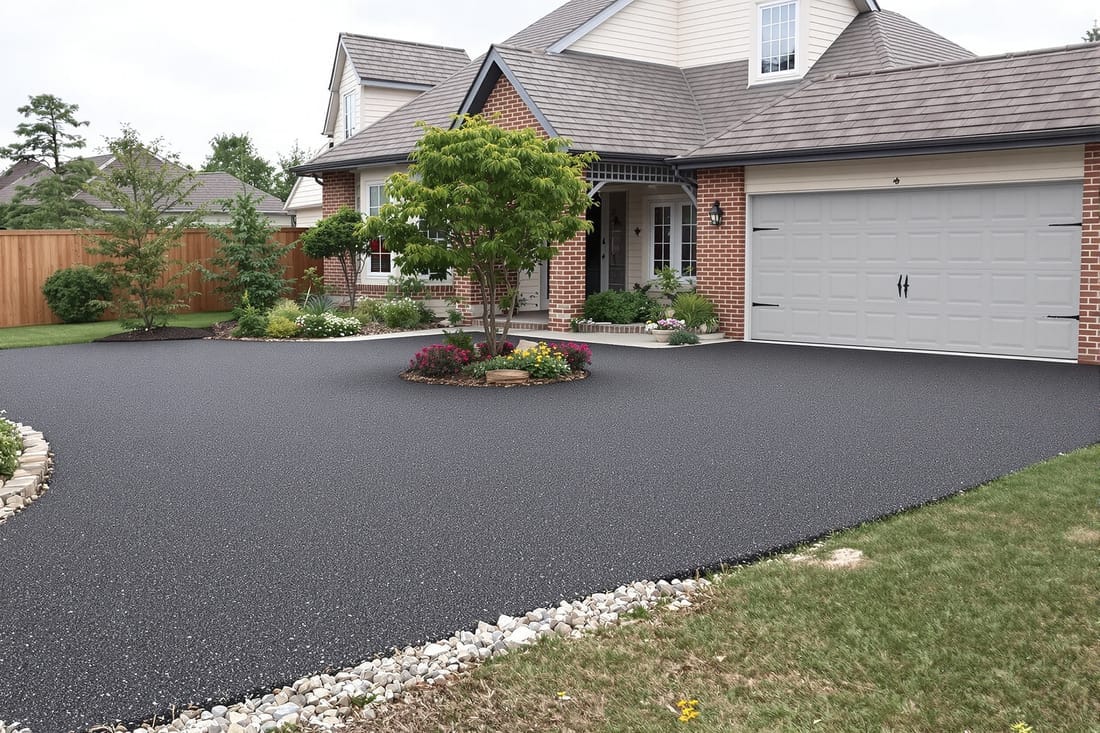
Tired of mud and dust from your gravel drive. Our gravel to asphalt driveway conversions in Columbus, OH deliver a clean, smooth surface that is easy to maintain. We grade, compact, and pave over existing gravel or dirt to create a strong base and lasting asphalt driveway.
Precision Asphalt Columbus provides professional gravel to asphalt driveway throughout Columbus, OH, Ohio and the surrounding area. Our licensed, insured crew delivers safe, clean, on-time work with a free estimate before anything begins. Call (614) 907-4859 or request your free quote.
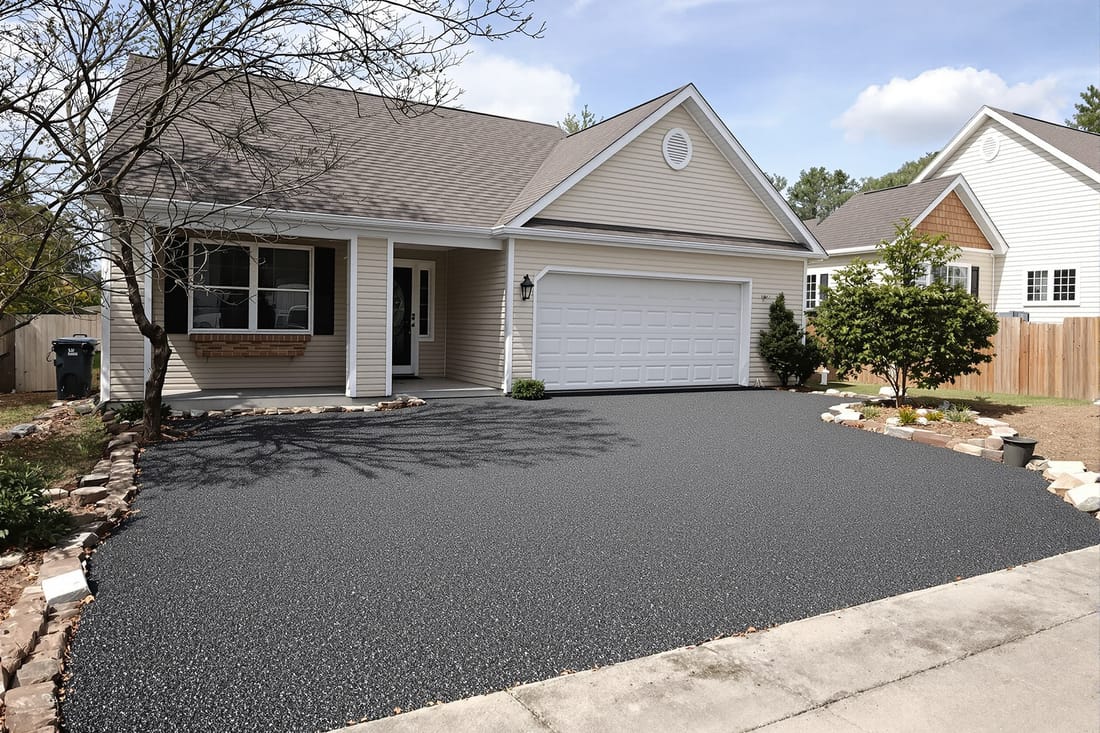
Turn Your Gravel Driveway Into a Clean, Solid Asphalt Surface
If you are tired of dust, ruts, and loose stone, a gravel to asphalt driveway conversion can make daily life easier and boost curb appeal. Precision Asphalt Columbus focuses specifically on upgrading gravel surfaces across Columbus, OH and surrounding suburbs, so we know how local soil, weather, and traffic patterns affect the finished driveway.
In Columbus, we see gravel driveways that wash out during heavy summer storms and turn into soft, muddy tracks in March thaw. A properly built asphalt driveway solves those problems with a compacted base, controlled drainage, and a smooth surface you can plow, shovel, and sweep. We design each conversion based on how you actually use the driveway: number of vehicles, delivery trucks, trailers, or RVs, and how close it sits to the street, sidewalks, or neighboring properties.
Our crews live and work in central Ohio, so we plan work around local conditions. The best window for gravel to asphalt driveway projects here is typically April through early November when temperatures and ground conditions allow for proper compaction and asphalt curing. If you want your new driveway ready before school starts or before winter, we can schedule backwards from your deadline so the project is completed at the right time.
How We Convert Gravel To Asphalt The Right Way
A quality gravel to asphalt driveway in Columbus starts under the surface. Precision Asphalt Columbus spends much of the project on preparation because that is what keeps your driveway from cracking or sinking later.
First, we walk the entire driveway with you. We look for soft spots, low areas that hold water, and any places where existing gravel is contaminated with topsoil or mud. We measure the driveway, discuss any changes you want, such as widening parking areas or smoothing tight turns, and mark problem drainage spots.
Next, we strip or regrade the existing gravel. In some cases, we can reuse your current stone if it is clean and deep enough. In others, we remove contaminated material and haul in new compactable aggregate. We then shape the driveway to create a consistent slope so water runs off instead of sitting on the asphalt.
We compact the base in several passes using vibratory rollers or plate compactors around tight edges. Where soils are weak, particularly in pockets of clay common in the Columbus area, we may install a geotextile fabric between the soil and stone to stabilize the base. After that, we perform proof rolling. This is where we run a heavy roller over the area and watch for pumping or flexing that indicates soft spots. Any weak areas get dug out and rebuilt before we think about paving.
Finally, we fine grade and compact again so the asphalt has an even, stable surface to bond to. Only once the base passes our checks do we bring in the paving crew.
Asphalt Mixes, Thickness, and Design Choices
Every gravel to asphalt driveway does not need to be built the same way. Precision Asphalt Columbus offers options so you get the right structure for your home and your budget.
Most Columbus residential driveways perform well with a 2.5 to 3 inch compacted asphalt surface over a properly compacted stone base. For light use, such as two cars and no heavy equipment, a standard residential mix usually provides good durability. If you expect delivery trucks, boat trailers, or work vehicles, we may recommend either a thicker asphalt section or a base and surface course system, such as a 2 inch base lift and a 1.5 inch surface lift.
We can also discuss asphalt mixes with more stone content for higher strength, and finer surface mixes that look cleaner and are easier to shovel in winter. Edge design matters too. In some cases, a simple compacted shoulder of gravel along the edges is enough to support vehicle loading. In others, especially where the driveway edges drop off, we may recommend adding extra stone and compacting beyond the asphalt or installing concrete ribbons to protect the edge.
For homes in older Columbus neighborhoods where drainage is tight and tree roots are close, we look carefully at how water moves. Sometimes a small swale (shallow ditch), additional catch basin, or re-angled section solves issues that would otherwise damage new asphalt.
What Drives Cost For Gravel To Asphalt Driveway Projects
Homeowners often want to know why one gravel to asphalt driveway quote is higher than another. At Precision Asphalt Columbus, we explain line by line so you understand what you are paying for and what you are not.
The largest cost drivers are driveway size, base condition, and asphalt thickness. A long rural drive in the outskirts of Columbus or in neighboring townships will naturally cost more than a short city driveway simply because of the materials and time involved. If your gravel base is shallow, contaminated with soil, or has chronic drainage problems, we will need to bring in additional stone, fabric, or drainage work to fix it before paving.
Access also affects pricing. Narrow alleys, limited turnaround space for trucks, or overhead obstacles can slow production and may require smaller loads or extra labor. If we need to mill out or remove sections near the road to match city curb heights, that adds some cost but is essential for proper water flow.
Season and scheduling can play a smaller role. In Columbus, we avoid paving on very cold or very wet days because asphalt will not compact correctly. Trying to rush a job in poor conditions may look cheaper at first, but it almost always costs more over time in repairs. We prefer to schedule your project during a window where weather and temperature give the asphalt the best chance to perform.
Common Issues With Gravel Driveways And How Conversion Fixes Them
We see a lot of the same gravel driveway problems throughout Columbus, and a properly executed conversion usually addresses them.
Ruts and potholes form where gravel is thin or the underlying soil is soft. Each time a vehicle passes, the stone is pushed aside and water collects in the low areas. When we convert a gravel to asphalt driveway, we remove those soft spots, rebuild them with compacted stone, and then cover them with a continuous asphalt mat so wheels can no longer push material out of the way.
Dust is another big complaint, especially on dry summer days. Gravel driveways throw dust toward the house, inside open garages, and across landscaping. Asphalt eliminates loose dust and makes sweeping or blowing leaves and debris much faster. For homes close to streets in Clintonville, Grandview, or similar neighborhoods, a paved surface also helps keep grit from tracking into the house.
Drainage issues are a top concern in parts of Columbus with heavy clay soils. If water sits on or under a gravel driveway, it softens the base and leads to constant regrading. As part of the conversion, we inspect gutter downspout locations, yard slope, and existing ditches, and we build in the slope and outlets needed for water to move off the driveway before it can cause damage.
Finally, snow and ice removal is much easier. Shovels and plows catch on gravel and push stone into the yard. A well built asphalt driveway allows for efficient plowing and safer winter access.
What Columbus Homeowners Should Know Before Hiring A Contractor
Before you commit to any gravel to asphalt driveway contractor, there are several points you should verify. Precision Asphalt Columbus encourages you to ask these questions of us and any other company you consider, because the answers directly affect how long your driveway will last.
Ask how thick the asphalt will be after compaction, not just how many tons they will deliver. Request details on base preparation: Will they evaluate existing gravel depth, address soft spots, and compact in layers with a roller? Will they use geotextile fabric or extra stone in known problem areas, such as at the garage apron or at the end of the driveway where vehicles turn?
Confirm who handles permits or right of way work if your driveway ties into a city street, county road, or alley. In many Columbus neighborhoods, the apron near the road must meet specific standards. A reputable contractor will already know the local requirements or will coordinate with the appropriate office.
You should also ask what kind of compaction equipment they use, how they manage joints between new asphalt and existing concrete (such as garage slabs and sidewalks), and what type of warranty they provide on both materials and workmanship. The cheapest bid often cuts preparation work, which may not show right away but tends to appear as cracks and dips a couple of freeze-thaw cycles later.
Finally, look for a contractor that can point to completed gravel to asphalt driveway projects in the Columbus area, not just general paving jobs. Local experience with our soils and weather patterns matters.
Our Process From Estimate To Finished Driveway
When you call Precision Asphalt Columbus about a gravel to asphalt driveway, we start with a site visit, not a guess. An estimator visits your property, measures the driveway, looks at the current gravel condition, and listens to how you want to use the space. If you want additional parking pads, turnaround areas, or a different entrance, we sketch those ideas on site.
Within a short time, we provide a written proposal that breaks down the work in plain language. You will see what base work we recommend, what asphalt thickness we plan to install, and any drainage or apron work needed. If there is more than one viable option, we will show you the tradeoffs so you can choose.
Once you approve the project, we schedule the work during a weather window that is appropriate for asphalt paving in Columbus. On construction day, our crew arrives with grading equipment, rollers, and paving machines. We start by shaping and compacting the base, then we install the asphalt in one or more lifts, compact it to the specified thickness, and hand finish the edges and transitions.
We will walk the completed driveway with you, explain where water should flow, and go over care instructions. Typically, you can drive on a new residential asphalt driveway within 24 to 48 hours, depending on temperature, but we will give specific guidance for your project. Our goal is to leave you with a clean, solid, low maintenance surface that serves your home well through many Ohio winters.